Pipe Fence & Cattle Corrals in Topeka, KS
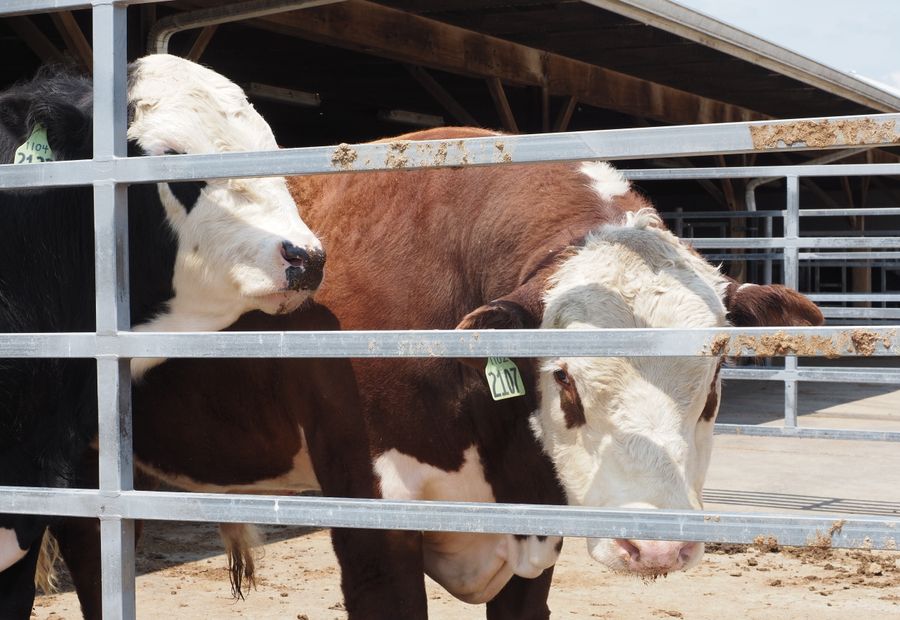
Topeka Farm Fence builds welded pipe fence, continuous rail, and cattle corrals for ranches and cow-calf outfits around Topeka. We set working pens, alleys, and heavy gates across Shawnee, Wabaunsee, Osage, Jackson, and Jefferson counties, Kansas, including the grass country west toward Alma and the bottom ground along the Kaw.
Pipe stops cattle that wood does not. We weld two and three eighths or two and seven eighths pipe posts with pipe or sucker rod rails, and we hang Priefert and Powder River gates, panels, and headgates on them. Posts get drilled below the frost line and set in concrete, which is right for steel and wrong for a treated wood post. Where a client wants speed and a layout he can change, continuous panels go on driven posts instead. A corral built from lightweight panels wired to T-posts holds cattle right up until one gets pushed in a crowd, and then it folds and somebody chases cows across a section.
Working Pen Layout
A good corral is a shape, not a fence. Cattle move better around a curve than through a square corner, so we lay out a crowding tub feeding a curved alley that runs to the headgate, with solid sides where you want the animals to stop looking sideways. Sorting pens branch off the alley with gates that swing both ways. We plan the flow around how you actually work cattle, how many head come through at once, and where your trailer parks.
Bulls, Feed Lots, and Heavy Traffic
Some spots eat fence. A bull pen, a feed bunk line, and the ground around a water tank take constant pressure from animals that outweigh anything else on the place. Those get pipe, close post spacing, and rails all the way to the ground. Wood in those spots is a repair schedule. Pipe is a one time build that outlives the note.
Getting It Built
Pipe work happens spring through fall, since welding and concrete both want ground that is not frozen or flooded. We quote through the winter so pens are ready before calving and turnout. Call (785) 555-0184. Most corral jobs tie into a wider pasture fence build.
Does a pipe fence post get concrete?
Yes, and this is the one place concrete belongs. Steel does not rot, so setting a pipe post in concrete gives it a footing that will not move without the water damage problem you get around a wood post. We drill below the frost line, set the pipe plumb, and pour a collar around it. Corner and gate posts get a bigger hole and more concrete than line posts.
How much does a pipe corral cost?
It is priced by the pen, not by the foot, because a corral is posts, rails, gates, and the layout work that ties them together. A simple catch pen with one gate is a modest job. A full working setup with a crowding tub, an alley, a headgate, and sorting pens costs several times that. Used pipe brings the material cost down when we can source it. We price the pens you actually need after we see how you handle cattle.
Can you use sucker rod for fence?
Yes, and it is a good use for it. Sucker rod welds up into strong horizontal rails between pipe posts and costs far less than new pipe. It runs thinner than pipe, so we space rails closer and use it on pens rather than on a run that has to stop a bull at speed. Used oilfield pipe is the other salvage material worth buying, as long as the wall thickness is still there.
What is continuous fence?
Continuous fence comes as welded panels, usually twenty feet long with four to six rails already attached, that bolt or clamp to driven posts. It goes up fast, it holds cattle hard, and it moves if you change the layout later. Welded pipe built on site costs more and looks better, and it lets us follow a line that panels cannot. Most jobs we build use both, welded pipe on the entrance and corners, continuous on the long runs.