Board & Rail Horse Fence in Topeka, KS
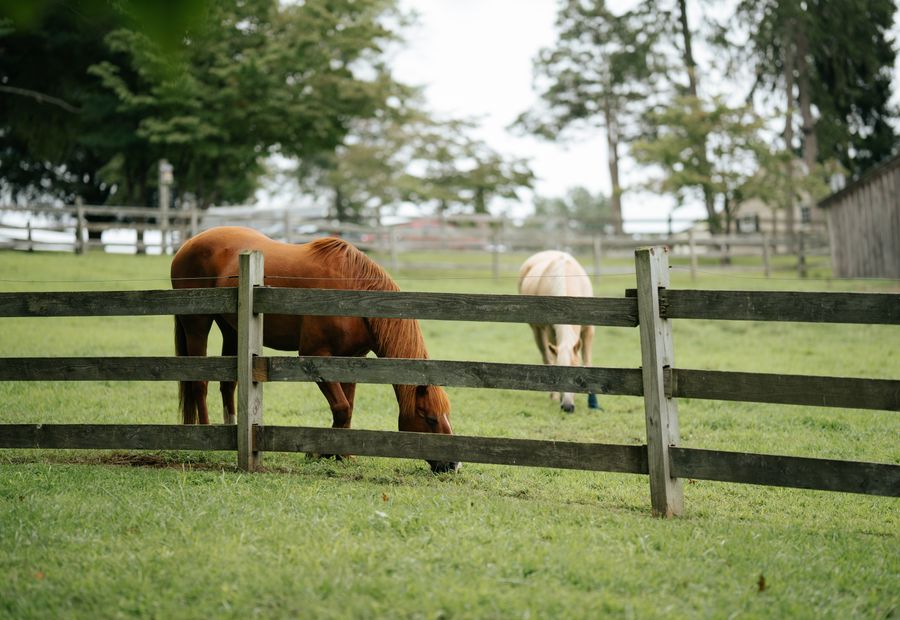
Topeka Farm Fence builds board fence and rail fence for horse properties, arenas, home paddocks, and ranch entrances around Topeka. We work acreages in Auburn, Berryton, Tecumseh, Silver Lake, and Meriden, and the surrounding farm ground in Shawnee, Jefferson, Osage, and Wabaunsee counties, Kansas.
Horses need a fence they can see. They go over, through, and into anything they misjudge, so we build in one inch by six inch rough sawn oak or treated pine on CCA ground contact posts, four to five inches across, set three feet down and tamped in layers. Post spacing follows the board, so eight feet on center, with corner and gate posts sunk deeper and braced back into the line. Boards go on the horse side of the post and get two ring shank fasteners at every crossing. A rail nailed to the outside face with one nail is the board that comes off in the first month, and a horse finds the hole the same afternoon.
Mesh Backing and Hot Wire
A board fence with open gaps is fine for grown horses and risky for babies. On foaling paddocks we back the boards with two inch by four inch no-climb mesh, which closes every opening without changing how the fence looks from the road. A single electric strand on standoff brackets along the top rail handles cribbers and leaners. Both add cost, and both cost less than replacing rails twice a year.
Vinyl Ranch Rail
Vinyl ranch rail is the low maintenance option, and it earns its keep on an entrance run or a front paddock where looks matter. It never needs paint and it does not rot. It also flexes rather than holding an animal, so we back a vinyl run with mesh or a hot wire wherever real horses lean on it. The posts under vinyl still have to go deep and stay plumb, which is where most vinyl fence goes wrong.
Clay, Frost, and Setting Posts
Board fence shows every post that moves. One heaved post and the whole run reads crooked from the driveway. Topeka clay swells and shrinks through the year and the frost drives down close to three feet, so we set below it and tamp hard rather than pouring concrete around wood. Building season runs spring through fall. Winter is for quotes and layouts. Call (785) 555-0184 and we will stake the run with you, gates and all.
Three board or four board for a horse pasture?
Four board is the standard for horses. It closes the gap at the bottom so a rolling horse cannot get a leg out, and it makes the fence read as solid from a distance. Three board costs less and works for cattle, for a perimeter that only needs to mark a line, or for a paddock where you plan to run a hot wire on top anyway. Foals and minis want four boards every time.
Is oak better than treated pine for fence boards?
They fail differently. Rough sawn oak is hard, heavy, and a cribbing horse struggles to chew through it, but it will check and cup as it dries and it goes gray without a finish. Treated pine runs straighter, takes paint or stain well, and resists rot, though a bored horse can gnaw a soft board. We use treated pine posts under either one, since the post is what rots first.
How do you keep a horse from pushing boards off?
Fasten from the pasture side and use the right hardware. We run boards on the inside face of the posts so a horse leaning on the fence pushes the board into the post instead of off the nails, and we fasten with ring shank nails or screws, two per board per post. A hot wire along the top rail stops the leaning before it starts, and it saves more boards than any fastener does.
Do I need paint or stain on a board fence?
Not for the fence to stand, but yes if you want it to look the way it did the day it went up. Oil based stain soaks in and needs redoing every few years, and it hides weathering better than paint. Paint gives you the bright white look and then it peels and needs scraping. Plenty of owners around here leave oak bare and let it silver out.