High-Tensile & Electric Fence in Topeka, KS
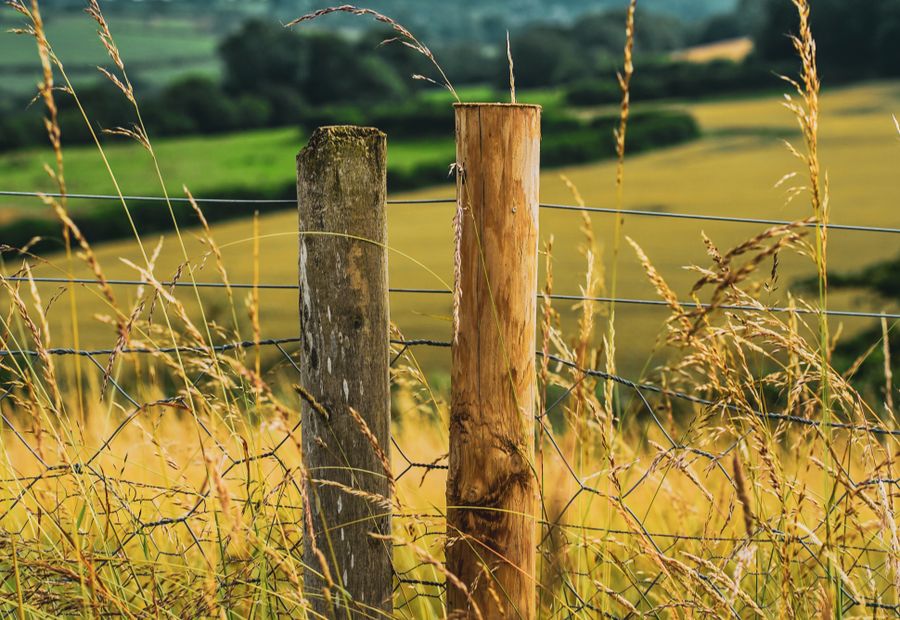
Topeka Farm Fence builds high-tensile and electric fence for cattle operations, stocker grass, horse pastures, and rotational grazing systems around Topeka. We run wire across Shawnee, Wabaunsee, Osage, Jackson, and Jefferson counties, Kansas, and out to the Flint Hills grass west of Auburn and Alma.
Twelve and a half gauge high-tensile wire carries well over a thousand pounds before it stretches, and Class 3 galvanizing puts about three times the zinc on it that Class 1 does. We tension every strand with a ratchet strainer and hang a heavy duty spring on the line so you can read the tension at a glance. Gallagher and Speedrite energizers power the hot strands, insulators are cut for the post type, and the ground field is three six foot rods driven ten feet apart. Soft wire is the other option, and soft wire stretches once and stays stretched. High-tensile does not, which is why a strainer takes the slack back out in year three instead of a crew restretching the whole fence.
Wire That Moves With the Weather
Steel shrinks in the cold and grows in the heat. A Kansas fence line goes from single digits in January to a hundred degrees in July, and the wire tightens and slackens through that swing. The in-line strainer absorbs it. Give a strand a quarter turn in the spring and the fence sits back at tension without touching the corners. That is the whole reason we put a strainer on every wire instead of only the ones we expect to sag.
Stocker Cattle and Rotational Grazing
Flint Hills grass runs yearling and stocker cattle on a short summer season, and that country moves stock through paddocks fast. Electric cross fence is the cheap way to divide grass, because two hot strands on light posts go up in a day and come back out when the season changes. The perimeter is a different build. Boundary fence stays permanent, fully braced, and heavier, since it has to hold cattle that have never met a hot wire.
Ends Are the Whole Fence
Tension has to land somewhere. Corner and end posts run six to eight inches across and go three and a half to four feet in the ground here, tamped in lifts, with a horizontal rail and a twisted diagonal brace wire. That assembly turns the pull of six strands into downward load on the posts. We book builds spring through fall and quote through the winter. Call (785) 555-0184 and we will walk the paddock plan with you.
How many wires does a high-tensile fence need?
It depends on the animal and whether the fence is hot. Five to six smooth strands hold cattle on a permanent boundary, and three or four electrified strands hold them inside a cross fence. Horses take four or five with wide visible spacing. Sheep and goats need seven or eight, tight toward the bottom, because the whole trick with small stock is closing the gap along the ground.
What size energizer do I need?
Size it by the miles of wire you are running and the amount of grass that will touch it, then buy bigger. A one joule unit handles a small cross fence. A boundary running several miles through summer growth wants five joules or more. We fit Gallagher and Speedrite units and set the joule rating to the fence you have plus the fence you will add in two years.
Why does my electric fence lose power in dry weather?
Almost always the ground rods, not the energizer. The circuit runs out the wire, through the animal, into the soil, and back to the ground system, and dry Kansas dirt is a poor conductor. Three six foot galvanized rods, driven ten feet apart in the dampest ground you have, fix most weak fences. We test the ground field with a meter rather than guessing at it.
Why is high-tensile cheaper per foot than woven wire?
You buy fewer materials in the middle of the run. Smooth wire costs less than mesh and the line posts sit farther apart, sometimes twenty or thirty feet with droppers between. The money moves to the ends instead. Every strand pulls hard against the corner, so a high-tensile fence needs bigger, deeper, better braced end assemblies than a barbed wire fence does.